
Introduction
Cannabidiol (CBD) has rapidly become one of the most talked-about compounds in the health and wellness industry. While many are familiar with its potential to promote relaxation and manage pain, the science behind CBD often remains misunderstood. This guide breaks down its origins, how it works, and its potential applications, especially for those new to cannabinoids.
What is CBD?

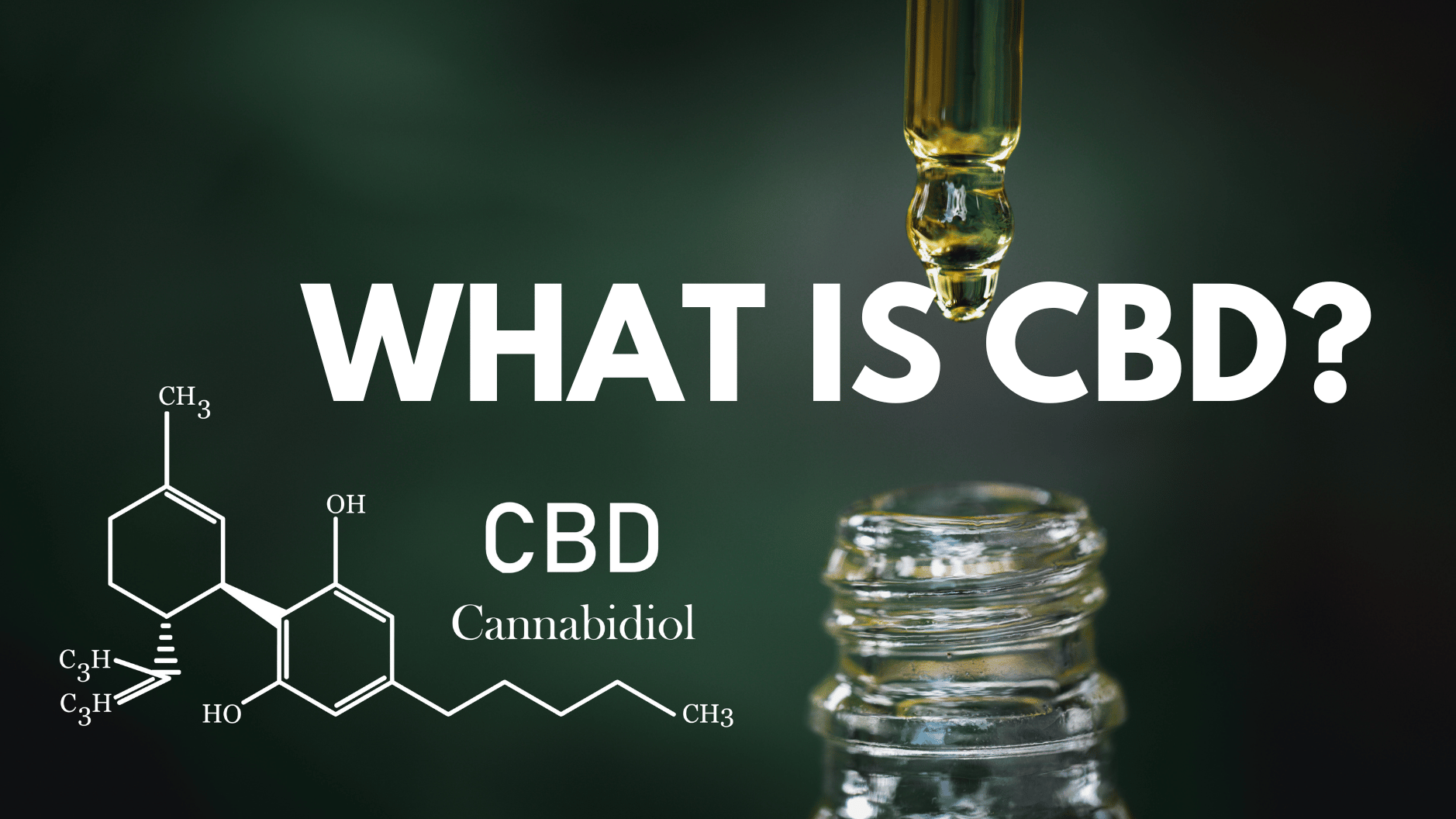
CBD is one of over 100 cannabinoids found in the cannabis plant. Unlike its more famous counterpart, THC (tetrahydrocannabinol), CBD does not induce a euphoric or psychoactive “high.” Instead, CBD offers a range of potential therapeutic benefits without impairing cognitive function, making it particularly appealing for those seeking natural relief from a variety of conditions.
CBD is primarily extracted from hemp, a variety of the cannabis plant that contains minimal THC (typically below 0.3%). This extraction allows CBD to be isolated and formulated into various products, including oils, tinctures, edibles, and topicals.
How Does CBD Work in the Body?
To understand how CBD affects the body, it’s crucial to explore the endocannabinoid system (ECS). This complex system, present in all mammals, regulates numerous physiological functions, including mood, appetite, sleep, and immune response. The ECS consists of receptors (CB1 and CB2), endocannabinoids (cannabinoids produced by the body), and enzymes that break down these compounds.
CBD interacts with the ECS primarily by influencing CB2 receptors, which are located throughout the immune system and peripheral tissues. Unlike THC, which binds directly to CB1 receptors in the brain, CBD’s indirect interaction allows it to modulate the ECS without causing intoxication. This mechanism may explain its calming, anti-inflammatory, and pain-relieving effects.
Potential Benefits of CBD:
While clinical research into CBD is still in its early stages, preliminary studies and anecdotal reports suggest that it may offer a range of therapeutic benefits. Here are some areas where CBD has shown promise:
- Anxiety and Stress Relief: CBD is believed to influence serotonin receptors in the brain, helping to alleviate symptoms of anxiety and depression without the side effects of traditional pharmaceuticals.
- Pain Management: Due to its anti-inflammatory properties, CBD may help reduce chronic pain associated with conditions like arthritis, fibromyalgia, and neuropathy.
- Improved Sleep: CBD's relaxing properties may benefit individuals suffering from insomnia or other sleep disorders, promoting longer, more restful sleep without the use of sedatives.
- Neuroprotective Properties: Some research indicates that CBD may have neuroprotective effects, making it a potential treatment for neurodegenerative diseases such as Parkinson’s and Alzheimer’s.
Common Forms of CBD and How to Choose the Right One:
For beginners, choosing the right CBD product can be overwhelming. Here’s a breakdown of the most common forms and their uses:
- CBD Oil/Tinctures: These are among the most popular products, offering flexibility in dosage. Taken sublingually (under the tongue), they are quickly absorbed into the bloodstream, providing fast-acting relief.
- CBD Edibles: Gummies, capsules, and chocolates are easy to consume and offer pre-measured doses. However, they may take longer to take effect as they must be processed through the digestive system.
- CBD Topicals: These products, including creams, balms, and salves, are designed for localized relief, particularly for joint or muscle pain.
- CBD Vapes: Inhalation offers the fastest delivery of CBD into the bloodstream, but vaping may not be suitable for everyone due to potential respiratory concerns.
Legal Considerations:
The legal status of CBD varies widely across regions. In the United States, for instance, hemp-derived CBD with less than 0.3% THC is federally legal under the 2018 Farm Bill. However, state laws may differ, and it's essential to verify local regulations before purchasing or using CBD products. Internationally, countries like Canada and several European nations have legalized CBD, while others still maintain strict restrictions.
Conclusion:
CBD represents a promising frontier in natural health solutions, offering therapeutic potential without the psychoactive effects of THC. Whether you’re exploring CBD for stress relief, pain management, or improved sleep, it’s important to start with a high-quality product and consult with a healthcare professional, particularly if you're on other medications. As research continues to unfold, CBD may soon play an even more significant role in the broader medical landscape.